

Chintz Fabric History & Hand-Painted Botanical Prints | Amaya World
Share
Historical textiles reimagined in a contemporary context
When you slip into a piece from Amaya World's exclusive Chintz collection, you're not just wearing a hand-painted dress or embroidered pants—you're wearing centuries of heritage, reimagined for the modern woman who values craftsmanship, sustainability, and intentional style.
Today, we're diving into the fascinating history of Chintz fabric, exploring why this 16th-century treasure has become our flagship inspiration, and showing you exactly how to style these stunning pieces for your everyday life. Whether you're looking for embroidered linen clothing or hand-painted botanical print dresses, Amaya's Chintz collection proves that slow fashion isn't just beautiful—it's timeless.
What Is Chintz? The History Behind the Fabric
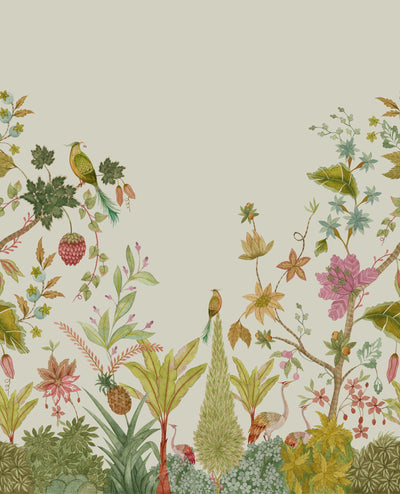
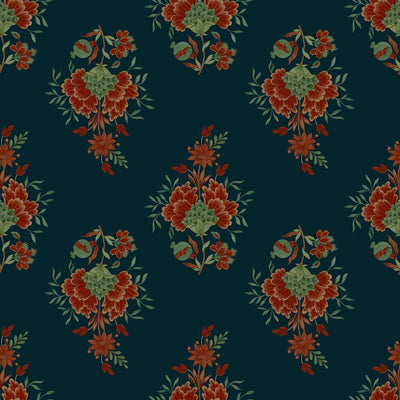
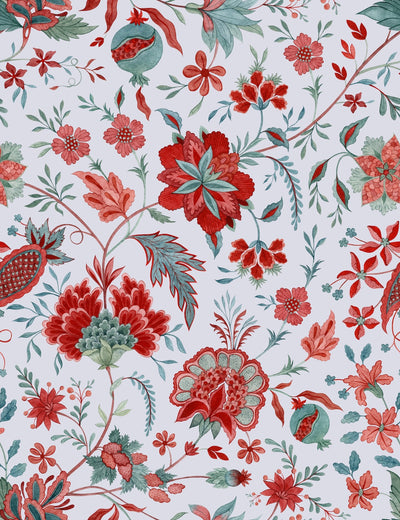
Chintz originated in 17th-century India, born from the word 'chint' in Hindi, meaning spotted or variegated. Indian artisans developed this bold, hand-painted textile using natural dyes, creating botanical motifs—florals, birds, and intricate patterns—that were unlike anything Europe had ever seen. During the colonial era, Chintz fabric history took on new meaning as European traders became obsessed with these exotic textiles. They were so coveted that entire trading routes were established to bring Chintz to British and European markets.
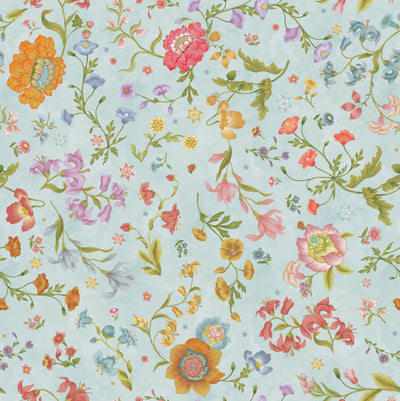
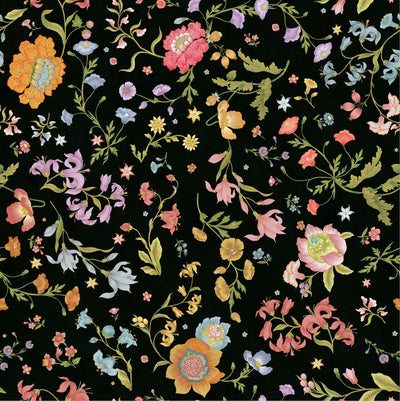
The prints weren't just beautiful—they represented a connection between East and West, a celebration of artisanal craftsmanship that industrialization would soon threaten. Fast forward to today, and these ancient techniques are still alive, still thriving, and still as breathtaking as ever. At Amaya World, we've revived these ancient hand-painted botanical prints by working directly with Indian artisans who practice the same centuries-old methods. Each design is hand-painted in watercolor by a skilled artist before being digitally adapted into our signature prints, preserving the soul of the original craft while celebrating contemporary design.
3 Ways to Wear Modern Chintz: Our Bestselling Collection
1. Floral Wide-Leg Linen Pants (Black & White)
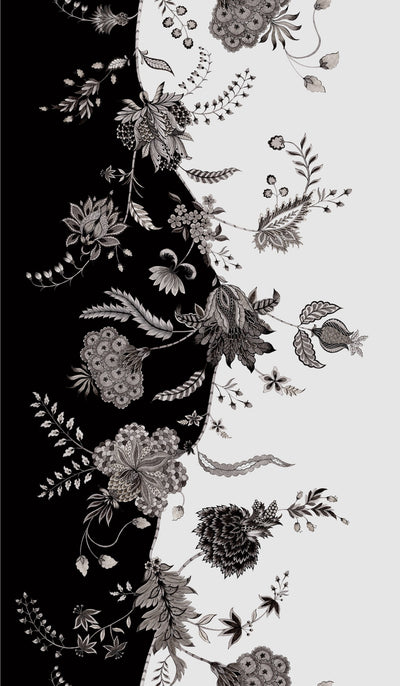
The foundation of any Chintz-inspired wardrobe. These embroidered linen pants feature hand-block printed florals on a crisp black and white base. Linen is our fabric of choice for pants because it's breathable, naturally wrinkle-resistant in the best way (wrinkles add character!), and incredibly durable. One pair, endless outfits: style with a simple white tee and sandals for weekend brunch, or dress up with a fitted blouse for the office. The botanical print never feels overdone because it's artisan-made, hand-painted, and completely one-of-a-kind.
Shop Floral Wide-Leg Linen Pants
2. Blue High-Waisted Floral Wide-Leg Pants
Rich indigo meets hand-painted florals in these statement pants. If you're looking for something that says 'I understand style,' this is it. The hand-block printed clothing technique creates a unique texture that changes in different lighting—navy in shadows, brilliant indigo in sunlight. Style with neutral tops to let the print shine, or go bold and pair with the Boho Embroidered Top for a truly coordinated look. These pants work for: creative Fridays, elevated casual events, and anyone ready to make a statement through sustainable fashion.
Shop Blue High-Waisted Floral Pants
3. Floral Cotton Midi Dress (White)
Pure, simple elegance. Our cotton midi dress in white is the answer to 'what should I wear?' on those days when you want effortless sophistication. The hand-painted botanical prints pop beautifully against the white base, and the 100% cotton (including the lining—we never compromise) means you'll stay cool and comfortable all day. Midi dresses are the ultimate sustainable everyday dresses because they're appropriate for nearly every setting: office, weekend, date night, travel. Layer with a cardigan in cooler months; wear solo in summer. This is the dress that will become a staple in your wardrobe.
A little bit about Amaya - The Artisanship Behind Every Stitch
Here's where Amaya stands apart: our hand-embroidered clothing and hand-block printed pieces aren't created in factories. Each item is produced by skilled Indian artisans who have learned these techniques from their families, preserving methods that date back centuries. The ari embroidery on our jackets (our flagship pieces) takes 20-25 hours to complete by hand. Hand-block printing requires precision, patience, and artistry. Every textile is made with fair trade practices—artisans are paid fair wages that reflect the skill and time invested in each piece.
When you buy from Amaya, you're not just buying fabric. You're supporting families, preserving heritage crafts, and investing in clothing that improves with age. Natural fabrics like linen and cotton actually get softer and more beautiful as you wear them. That's sustainability that goes beyond the marketing buzzword.